
Ayurveda
Balancing body, mind, and spirit through natural treatments & medicines.
Nature’s Wisdom, Aligned with Your Journey
Understand Ayurveda
India’s Ancient Science of Healing
Explore the essence of Ayurveda – a holistic system of medicine rooted in nature, balance, and self-awareness. Learn about its foundational principles, powerful therapies, condition-based healing, and discover trusted Ayurvedic centres across India.
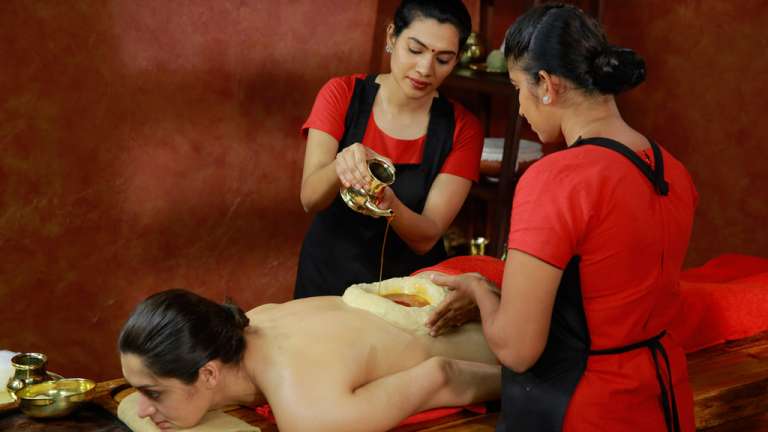
Rejuvenation Therapy and Panchakarma
Rejuvenation Therapy, also called Rasayana Chikitsa, is a natural way to make the body and mind feel young, strong, and full of energy again. It helps improve your health and supports healing over time.
A main part of this process is Panchakarma therapy—a traditional and powerful Ayurvedic cleansing treatment. It gently removes toxins, reduces stress, and brings balance to your body, mind, and spirit.
Many people choose this Ayurvedic rejuvenation therapy to feel refreshed, relaxed, and fully restored.
Basic Theory of Panchakarma
Panchakarma therapy in Ayurvedic treatment is based on a simple idea — many health problems happen because of an imbalance in the body, often caused by toxins called ama. When ama builds up, it disturbs
the body’s natural balance. Ayurvedic rejuvenation therapy helps remove these toxins and restore health.
There are two main methods :
Shodhana is deep detoxification, clearing toxins and preventing their spread.
Shamana gently soothes and heals the body.
Panchakarma treatment uses both to cleanse the body and support full rejuvenation of body and mind.
Shodhana
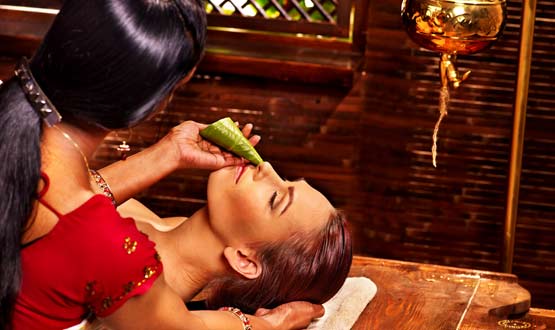
Shodhana – Ayurvedic Detoxification
Shodhana is an Ayurvedic detoxification method that gently cleanses the body to prevent illness and boost health. Toxins from food, stress, or the environment can build up over time. Shodhana therapy removes these ama toxins through the body’s natural excretory system, helping you feel lighter, cleaner, and more balanced.
In Ayurveda, imbalanced doshas cause ama to form. Shodhana treatment works to find and remove these toxins before they spread. This deep cleansing supports the body’s healing, recovery, and strength.
Shamana
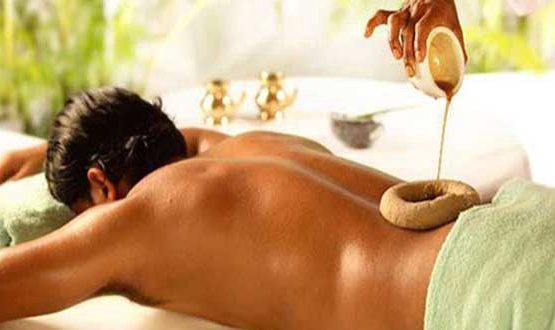
Shamana – Ayurvedic Healing Therapy
Shamana is a gentle Ayurvedic healing therapy that restores balance in the body after detoxification. While Shodhana removes toxins, Shamana treatment calms the system and corrects any leftover imbalances. In Ayurveda, health issues arise when doshas are disturbed. Shamana therapy works like a soothing balm, helping the body return to its natural rhythm and strength.
Even after cleansing, small amounts of toxins can remain. Shamana supports deep healing by restoring core functions and bringing the doshas back into harmony. It is especially helpful for those with low energy, focusing on gentle care, calm recovery, and complete Ayurvedic rejuvenation.
Pentads of Panchakarma
The Pentads of Panchakarma are the five main methods in Ayurvedic detox treatment. These core practices in Panchakarma therapy remove toxins, restore balance, and promote deep healing. Different schools of Ayurveda suggest variations, but all value these five essential treatments. As per the Charaka school of Ayurveda, the therapies are:
Vamana – Therapeutic vomiting
Virechana – Herbal purgation
Nasya – Nasal cleansing with medicated oils
Anuvasana Vasti therapy – Enema with medicated oil
Niruha Vasti therapy – Enema with herbal decoctions
Later, Sushruta replaced the two Vasti methods with one and added Raktamokshana, an Ayurvedic blood purification therapy, stressing that cleansing the blood is as important as cleansing the digestive system.
Vamana Chikitsa
Vamana Chikitsa, or Ayurvedic Emesis Therapy, is an Ayurvedic detox treatment that removes excess Kapha dosha through safe, supervised vomiting. It helps with acne, asthma, arthritis, chronic colds, and diabetes, but is not for children, the elderly, pregnant women, or those with illnesses like tuberculosis or hepatitis.
The process has three steps: Purvakarma (oil massage and steam to loosen toxins), Pradhanakarma (using herbs like Madana to expel Kapha), and Paschatkarma (light Ayurvedic diet, rest, and lifestyle care).
Virechana Chikitsa
Virechana Chikitsa, or Ayurvedic Purgation Therapy, is an Ayurvedic detox treatment that removes excess Pitta dosha with safe herbal laxatives. It cleanses the small intestine, liver, kidneys, colon, and spleen, helping with diabetes, colitis, jaundice, arthritis, asthma, piles, glaucoma, and gout.
It has three steps: Purvakarma (oleation therapy and steam to move toxins), Pradhanakarma (herbs like Trivrit, Jayapala, Aragvadha, or Avipathi Churna for cleansing), and Paschatkarma (light Ayurvedic diet and rest). Virechana therapy avoids weakness or electrolyte loss when done properly.
Nasya Chikitsa
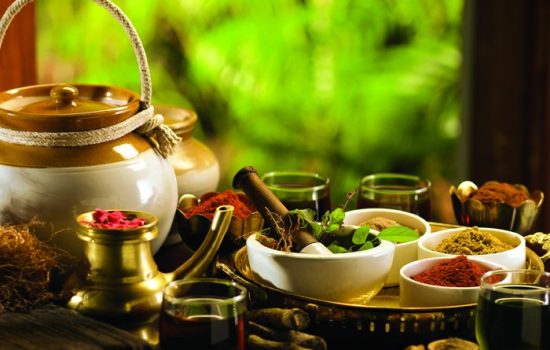
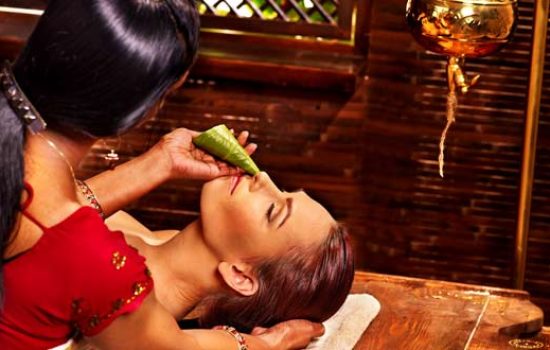
Nasya Chikitsa, or Ayurvedic Nasal Therapy, delivers medicated herbal oils, extracts, or herbal powders through the nose to treat sinus issues, throat and eye infections, migraines, headaches, and some neck and head disorders. It also supports rejuvenation and quick relief.
Based on dosha balance, it may be Virechana Nasya (with honey, ghee, and oils) or Dhmana Nasya (with powders). Purvakarma includes warming massages and gentle sweating, Nasya therapy delivers medicine into the nasal canal, and Paschatkarma involves rest, gargling, and simple aftercare.
Anuvasana Vasti
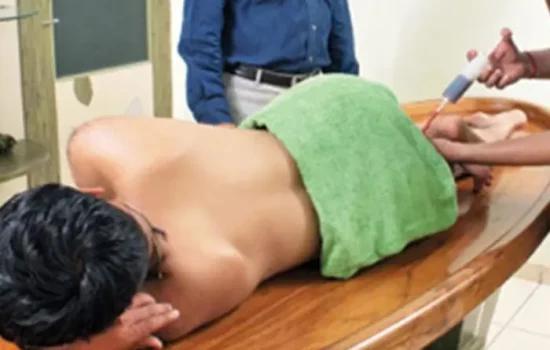
Anuvasana Vasti is an Ayurvedic oil enema therapy that removes Vata dosha imbalances. Since Vata controls many body functions, Vasti treatments help with colon cleansing and restoring balance in the lower digestive tract.
The process starts with gentle abdominal massage, then a warm herbal oil mixture is introduced into the colon to nourish tissues. Toxins are expelled naturally, and drinking lukewarm water supports detox. It is a deeply nourishing Ayurvedic enema treatment.
Niruha Vasti
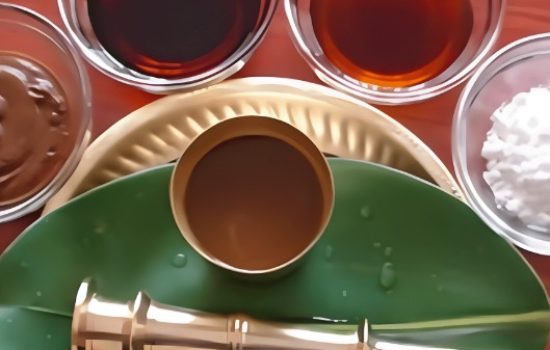
Niruha Vasti, or Kashaya Vasti, is an Ayurvedic enema treatment that uses a warm herbal decoction instead of oil to cleanse the colon. It removes Vata dosha impurities and toxins within about an hour.
The therapist checks the patient’s dosha balance and health before selecting the right herbal mix. Niruha Vasti is a safe, natural way to cleanse the colon and boost overall health.
Panchakarma Procedure
Purvakarma
Purvakarma is the first step in Panchakarma therapy, lasting 3–7 days. It loosens toxins and excess doshas so they can be removed in Pradhanakarma. Many illnesses come from ama—undigested toxins from poor digestion, lifestyle, or environment.
Purvakarma techniques include Pachana (improving digestion), Snehana (oil therapy), and Swedana (steam therapy). These prepare the body for deep detox and make Panchakarma treatment more effective.
Pradhanakarma
Pradhanakarma – Main Action of Panchakarma
Pradhanakarma follows Purvakarma in Panchakarma therapy. It is the main stage where toxins are removed based on the patient’s dosha balance. Medicines are given at the right time, and a special Ayurvedic diet is followed until the vitiated doshas are expelled.
In some cases, medicines stay in the body to nourish and restore strength. After cleansing, Paschatkarma begins for recovery and balance.
Paschatkarma
Paschatkarma is the post-treatment stage of Panchakarma therapy, helping recovery and preventing illness from returning. Care is based on each patient’s body composition and the therapies they had.
It includes rest, light meals, gentle exercise, herbal preparations, lifestyle advice, and spiritual support. Following Paschatkarma guidelines ensures the benefits of cleansing last.
Purvakarma Techniques
Pachana
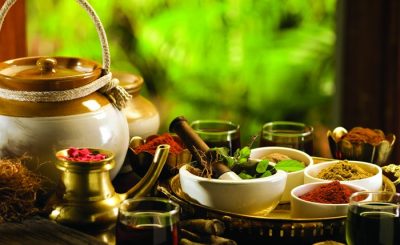
Pachana is the first step of Purvakarma in Panchakarma therapy, aimed at removing ama (undigested toxins). Special herbal mixtures help digest and break down these toxins.
Pachana therapy clears ama, making the body ready for deeper cleansing in the next stages of Ayurvedic detox treatment.
Patients often feel lighter and more energetic after this step.
Snehana
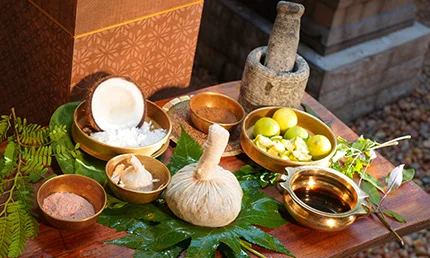
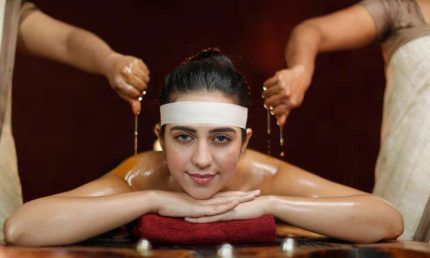
Snehana, or Ayurvedic Oleation Therapy, is part of Purvakarma in Panchakarma treatment. For 3–7 days, medicated oils, ghee, and herbs loosen ama (toxins) and imbalanced doshas, preparing them for removal in Pradhanakarma.
Snehana therapy has two types: Bahya Snehana (external oil massage) and Abhyantara Snehana (internal herbal intake).
Both guide toxins toward elimination, and in some cases, herbs are applied through natural body cavities for deeper healing.
Bahya Snehana
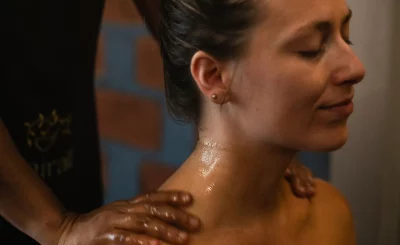
Bahya Snehana, or External Oleation Therapy, is an Ayurvedic oil massage done on both sides of the body with strokes matching the flow of doshas.
It calms the doshas, stops the spread of ama (toxins), liquefies them, and guides them for removal during Panchakarma therapy. This treatment also relaxes the mind, reduces stress, and soothes the body. Pichu therapy is a well-known method for cranial nerve issues.
Pichu
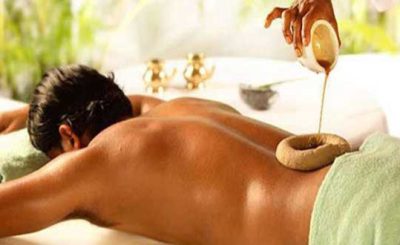
Pichu therapy is an Ayurvedic treatment using a folded cloth soaked in warm herbal oil to relieve pain and heal nerve-related issues. It is often used for Vata dosha imbalances, especially affecting the cranial nerves, and can also be applied to the neck, spine, hips, chest, knees, or shoulders. It is helpful for migraines, neck pain, back pain, fractures, and joint injuries, offering both relief and relaxation.
Abhyanga Snehana
Abhyanga Snehana is a traditional Ayurvedic full body oil massage using warm medicated oils, followed by Snana (herbal bath) with powders and shampoo to cleanse the skin.
It helps slow ageing, improve skin, enhance eyesight, and calm the mind. Regular practice balances Vata dosha, reducing dryness, stiffness, and fatigue, while boosting immunity and well-being.
Swedana
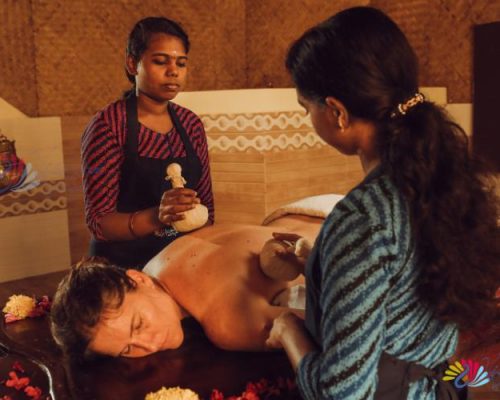
Swedana, or Ayurvedic Sudation Therapy, uses heat and steam to remove ama (toxins) by directing them for elimination in Pradhanakarma of Panchakarma treatment. It usually follows Pachana and Snehana as the last step of Purvakarma, but can also be done alone.
Swedana therapy helps with asthma, weight issues, digestion problems, and inflammation. It supports detox, relaxes muscles, improves circulation, and boosts well-being.
Types of Swedana
Swedana therapy has many forms based on temperature, herbal mix, and method. Main types of Swedana include Pinda Sweda (Navarakkizhi), Ooshma Sweda (Bashpa Sweda), Avagaha Sweda, Nali Sweda, Upanaha Sweda, and Patra Sweda (Ilakkizhi). All use heat or herbal steam to loosen ama (toxins) for removal.
Other methods are Podikkizhi with Churnam (medicated powder) and Dhara therapy with a warm herbal solution poured in a steady stream, known for calming the nervous system.
Navarakkizhi or Pinda Sweda
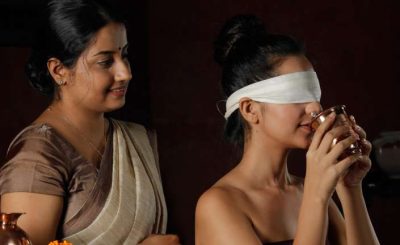
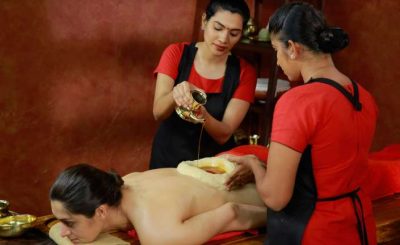
Navarakkizhi, or Pinda Sweda, is one of the main Ayurvedic sudation therapies in Panchakarma treatment. A warm kizhi (linen pouch) filled with Shastika rice or Navara rice cooked in milk and herbs
is dipped in kuzhambu (medicated oil) and massaged over the body.
Usually done by four therapists, this therapy balances Vata dosha and helps with joint stiffness, muscle weakness, and nerve problems. Afterward, oil is removed and a herbal bath is given.
Ooshma Sweda
Ooshma Sweda (Bashpa Sweda) – Ayurvedic Herbal Steam Therapy Ooshma Sweda, or Bashpa Sweda, is an Ayurvedic herbal steam bath where warm herbal steam therapy surrounds the body in a wooden chamber, opening pores and moving ama (toxins) for removal in Panchakarma therapy.
It calms Kapha dosha, reduces stress, improves circulation, relaxes muscles, and prepares the body for detox. Not advised for people with hypertension.
Nali Sweda
Nali Sweda is an Ayurvedic steam therapy that uses a nozzle to direct warm steam to a specific area, opening pores and moving excess doshas for removal in Panchakarma treatment.
Before steaming, the area is massaged with herbal oil, and a herbal mix is boiled to make healing steam. Nali Sweda therapy helps balance Vata dosha and Kapha dosha, easing back pain, muscle stiffness, and spasms.
Avagaha Sweda
Avagaha Sweda – Ayurvedic Herbal Bath Therapy
Avagaha Sweda is an Ayurvedic herbal bath therapy where the patient sits in warm water with herbal extracts, up to the neck or navel, as decided by the vaidyan. The water is kept warm until sweating begins, then the session ends to avoid dehydration.
Avagaha Sweda therapy loosens doshas, relaxes the body, and calms the mind. It is recommended for Vata dosha imbalances, rheumatism, hernia, and musculoskeletal disorders.
Upanaha Sweda
Upanaha Sweda – Ayurvedic Herbal Poultice Therapy
Upanaha Sweda is an Ayurvedic herbal poultice therapy where warm medicinal mixtures are applied to the body for several hours to reduce inflammation and ease muscle or joint pain.
The area is cleaned, massaged with herbal oil, covered with medicated pastes, then wrapped and left for about 12 hours. Upanaha Sweda therapy is usually done for 2–3 days for best results.
Patrasweda
Patrasweda – Ayurvedic Leaf Bundle Sudation Therapy
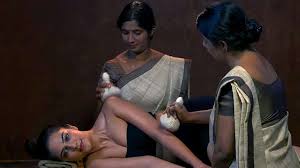
Patrasweda is an Ayurvedic therapy using leaf sudation with a warm kizhi (linen bundle) filled with medicinal leaves and medicated oils. The leaves are chosen based on the patient’s condition.
The warm kizhi is massaged over the body to calm doshas, improve circulation, and ease discomfort. Patrasweda therapy is helpful for joint problems, poor circulation, and Vata dosha disorders.
Podikkizhi
Podikkizhi – Ayurvedic Herbal Powder Poultice Therapy
Podikkizhi is a Swedana therapy using a kizhi (poultice) filled with podi—a medicated herbal powder or churnam made from 10–15 herbs. The podi is warmed, tied in cloth, dipped in herbal oil, and gently pressed over the body.
Podikkizhi therapy improves circulation, reduces inflammation, and eases muscle stiffness. Vaidyans recommend it for arthritis, muscular spasms, and rheumatism, while also helping with stress and relaxation.
Dhara
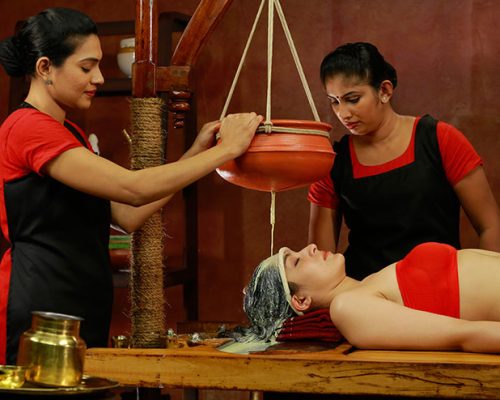
Dhara therapy is an Ayurvedic sudation treatment where warm medicated oil or herbal liquids are poured steadily over a specific body part. The oil and method are chosen based on the illness, with treatments lasting 30–90 minutes for 7–14 days.
Main types include Shirodhara (forehead), Sarvangadhara (whole body), and Pizhichil (oil squeezed from cloth over the body). Dhara helps with headaches, depression, muscle spasms, and joint pain, while relaxing the body and mind.
Shirodhara
Shirodhara – Ayurvedic Forehead Oil Therapy
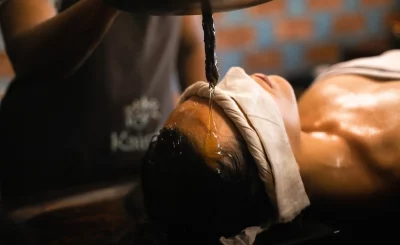
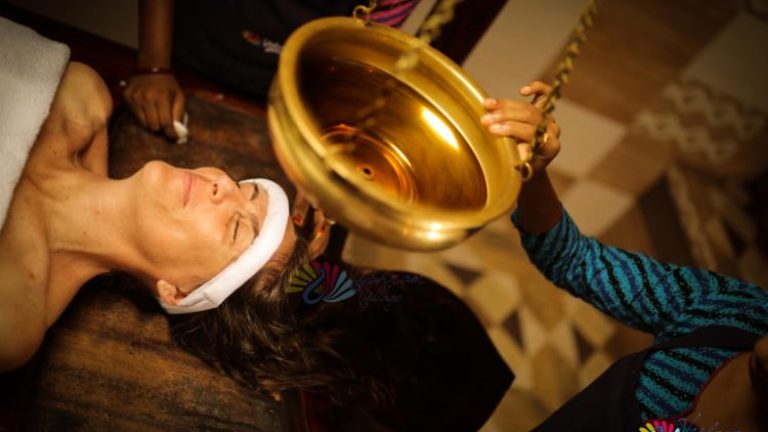
Shirodhara is an Ayurvedic therapy where medicated oil flows gently onto the forehead from a vessel above while the patient lies on a droni with a vartti to protect the eyes. A variation, Takradhara, uses buttermilk. Shirodhara therapy calms the mind, balances Vata dosha, and helps with stress disorders, anxiety, insomnia, and other mental health concerns, promoting deep relaxation and clarity.
Sarvangadhara
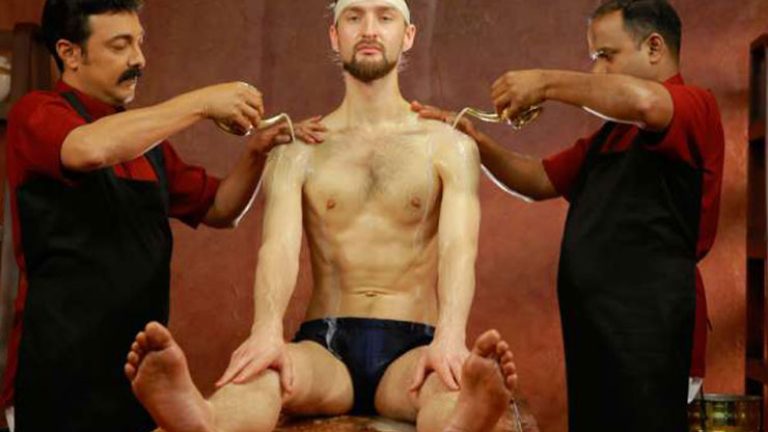
Sarvangadhara – Ayurvedic Full-Body Oil Pouring Therapy
Sarvangadhara is an Ayurvedic therapy where warm medicated oil is poured and massaged over the whole body on a droni by four therapists using kindis. A variation, Ksheeradhara, uses milk with herbal oil. Sarvangadhara therapy is continuous for deep nourishment, followed by a herbal bath with green gram paste and shampoo. It relaxes, boosts circulation, and supports rejuvenation.
Pizhichil
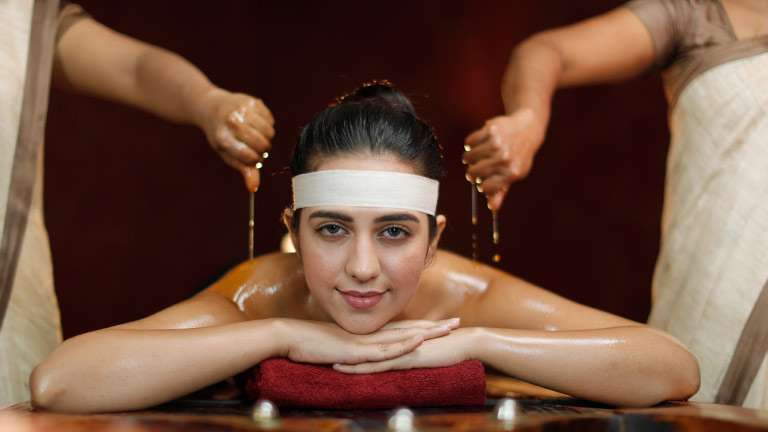
Pizhichil – Ayurvedic Squeezing Oil Therapy
Pizhichil is an Ayurvedic therapy combining Snehana and Swedana. A cloth is dipped in warm kuzhambu (medicated oil blend) and squeezed over the body while massaging for even coverage.
Pizhichil therapy improves blood circulation, boosts immunity, and relaxes the body. It is helpful for arthritis, muscle cramps, paralysis, rheumatic diseases, and neurological disorders.