
Panchakarma
Basic Theory of Panchakarma
Panchakarma therapy in Ayurvedic treatment is based on a simple idea — many health problems happen because of an imbalance in the body, often caused by toxins called ama. When ama builds up, it disturbs the body’s natural balance. Ayurvedic rejuvenation therapy helps remove these toxins and restore health.
There are two main methods :
- Shodhana is deep detoxification, clearing toxins and preventing their spread.
- Shamana gently soothes and heals the body.
Panchakarma treatment uses both to cleanse the body and support full rejuvenation of body and mind.
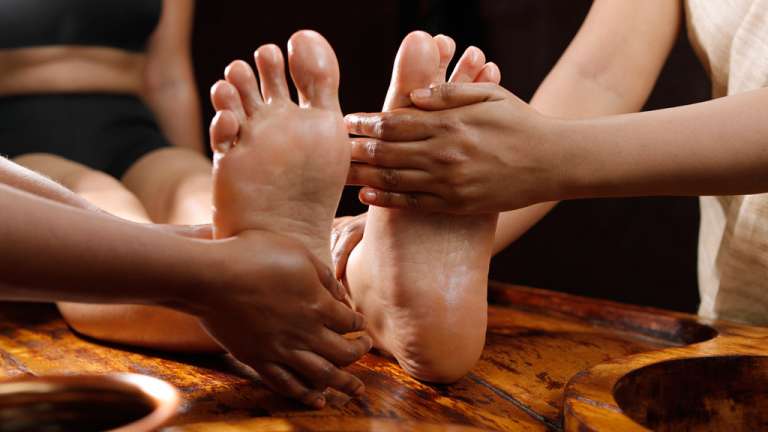
Shodhana
Shamana
Shodhana – Ayurvedic Detoxification
Shodhana is an Ayurvedic detoxification method that gently cleanses the body to prevent illness and boost health. Toxins from food, stress, or the environment can build up over time. Shodhana therapy removes these ama toxins through the body’s natural excretory system, helping you feel lighter, cleaner, and more balanced.
In Ayurveda, imbalanced doshas cause ama to form. Shodhana treatment works to find and remove these toxins before they spread. This deep cleansing supports the body’s healing, recovery, and strength.
Shamana – Ayurvedic Healing Therapy
Shamana is a gentle Ayurvedic healing therapy that restores balance in the body after detoxification. While Shodhana removes toxins, Shamana treatment calms the system and corrects any leftover imbalances. In Ayurveda, health issues arise when doshas are disturbed. Shamana therapy works like a soothing balm, helping the body return to its natural rhythm and strength.
Even after cleansing, small amounts of toxins can remain. Shamana supports deep healing by restoring core functions and bringing the doshas back into harmony. It is especially helpful for those with low energy, focusing on gentle care, calm recovery, and complete Ayurvedic rejuvenation.
Pentads of Panchakarma
The Pentads of Panchakarma are the five main methods in Ayurvedic detox treatment. These core practices in Panchakarma therapy remove toxins, restore balance, and promote deep healing. Different schools of Ayurveda suggest variations, but all value these five essential treatments.
As per the Charaka school of Ayurveda, the therapies are:
Vamana – Therapeutic vomitingVirechana – Herbal purgation
Nasya – Nasal cleansing with medicated oils
Anuvasana Vasti therapy – Enema with medicated oil
Niruha Vasti therapy – Enema with herbal decoctions
Later, Sushruta replaced the two Vasti methods with one and added Raktamokshana, an Ayurvedic blood purification therapy, stressing that cleansing the blood is as important as cleansing the digestive system.
Vamana Chikitsa
Vamana Chikitsa, or Ayurvedic Emesis Therapy, is an Ayurvedic detox treatment that removes excess Kapha dosha through safe, supervised vomiting. It helps with acne, asthma, arthritis, chronic colds, and diabetes, but is not for children, the elderly, pregnant women, or those with illnesses like tuberculosis or hepatitis.
The process has three steps: Purvakarma (oil massage and steam to loosen toxins), Pradhanakarma (using herbs like Madana to expel Kapha), and Paschatkarma (light Ayurvedic diet, rest, and lifestyle care).
Virechana Chikitsa
Virechana Chikitsa, or Ayurvedic Purgation Therapy, is an Ayurvedic detox treatment that removes excess Pitta dosha with safe herbal laxatives. It cleanses the small intestine, liver, kidneys, colon, and spleen, helping with diabetes, colitis, jaundice, arthritis, asthma, piles, glaucoma, and gout.
It has three steps: Purvakarma (oleation therapy and steam to move toxins), Pradhanakarma (herbs like Trivrit, Jayapala, Aragvadha, or Avipathi Churna for cleansing), and Paschatkarma (light Ayurvedic diet and rest). Virechana therapy avoids weakness or electrolyte loss when done properly.
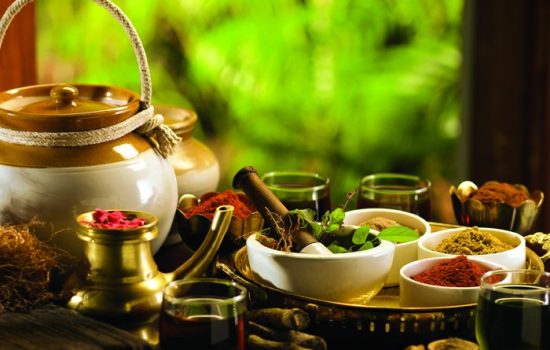
Nasya Chikitsa
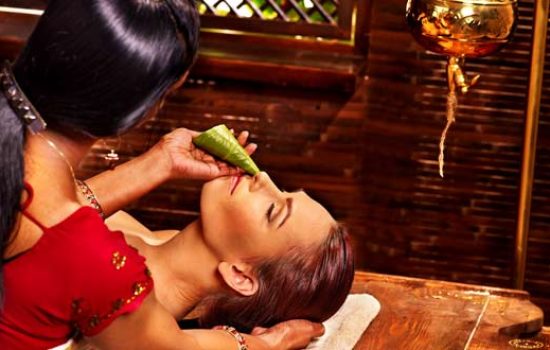
Nasya Chikitsa, or Ayurvedic Nasal Therapy, delivers medicated herbal oils, extracts, or herbal powders through the nose to treat sinus issues, throat and eye infections, migraines, headaches, and some neck and head disorders. It also supports rejuvenation and quick relief.
Based on dosha balance, it may be Virechana Nasya (with honey, ghee, and oils) or Dhmana Nasya (with powders). Purvakarma includes warming massages and gentle sweating, Nasya therapy delivers medicine into the nasal canal, and Paschatkarma involves rest, gargling, and simple aftercare.
Anuvasana Vasti
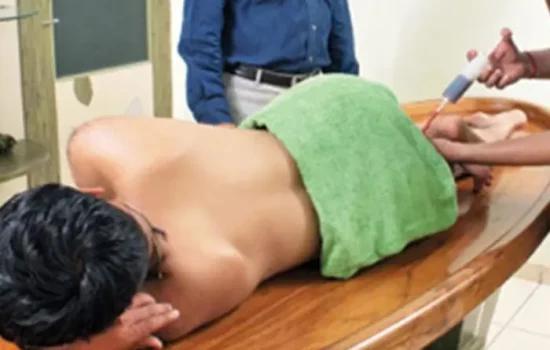
Anuvasana Vasti is an Ayurvedic oil enema therapy that removes Vata dosha imbalances. Since Vata controls many body functions, Vasti treatments help with colon cleansing and restoring balance in the lower digestive tract.
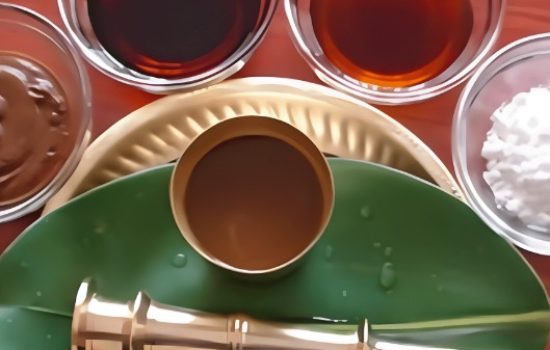
The process starts with gentle abdominal massage, then a warm herbal oil mixture is introduced into the colon to nourish tissues. Toxins are expelled naturally, and drinking lukewarm water supports detox. It is a deeply nourishing Ayurvedic enema treatment.
Niruha Vasti
Niruha Vasti, or Kashaya Vasti, is an Ayurvedic enema treatment that uses a warm herbal decoction instead of oil to cleanse the colon. It removes Vata dosha impurities and toxins within about an hour.
The therapist checks the patient’s dosha balance and health before selecting the right herbal mix. Niruha Vasti is a safe, natural way to cleanse the colon and boost overall health.
Panchakarma Procedure
Purvakarma
Purvakarma is the first step in Panchakarma therapy, lasting 3–7 days. It loosens toxins and excess doshas so they can be removed in Pradhanakarma. Many illnesses come from ama—undigested toxins from poor digestion, lifestyle, or environment.
Purvakarma techniques include Pachana (improving digestion), Snehana (oil therapy), and Swedana (steam therapy). These prepare the body for deep detox and make Panchakarma treatment more effective.
Pradhanakarma
Pradhanakarma – Main Action of Panchakarma
Pradhanakarma follows Purvakarma in Panchakarma therapy. It is the main stage where toxins are removed based on the patient’s dosha balance. Medicines are given at the right time, and a special Ayurvedic diet is followed until the vitiated doshas are expelled.
In some cases, medicines stay in the body to nourish and restore strength. After cleansing, Paschatkarma begins for recovery and balance.
Paschatkarma
Paschatkarma is the post-treatment stage of Panchakarma therapy, helping recovery and preventing illness from returning. Care is based on each patient’s body composition and the therapies they had.
It includes rest, light meals, gentle exercise, herbal preparations, lifestyle advice, and spiritual support. Following Paschatkarma guidelines ensures the benefits of cleansing last.
Purvakarma Techniques
Pachana
Pachana is the first step of Purvakarma in Panchakarma therapy, aimed at removing ama (undigested toxins). Special herbal mixtures help digest and break down these toxins.
Pachana therapy clears ama, making the body ready for deeper cleansing in the next stages of Ayurvedic detox treatment. Patients often feel lighter and more energetic after this step.
Snehana
Snehana, or Ayurvedic Oleation Therapy, is part of Purvakarma in Panchakarma treatment. For 3–7 days, medicated oils, ghee, and herbs loosen ama (toxins) and imbalanced doshas, preparing them for removal in Pradhanakarma.
Snehana therapy has two types: Bahya Snehana (external oil massage) and Abhyantara Snehana (internal herbal intake). Both guide toxins toward elimination, and in some cases, herbs are applied through natural body cavities for deeper healing.